


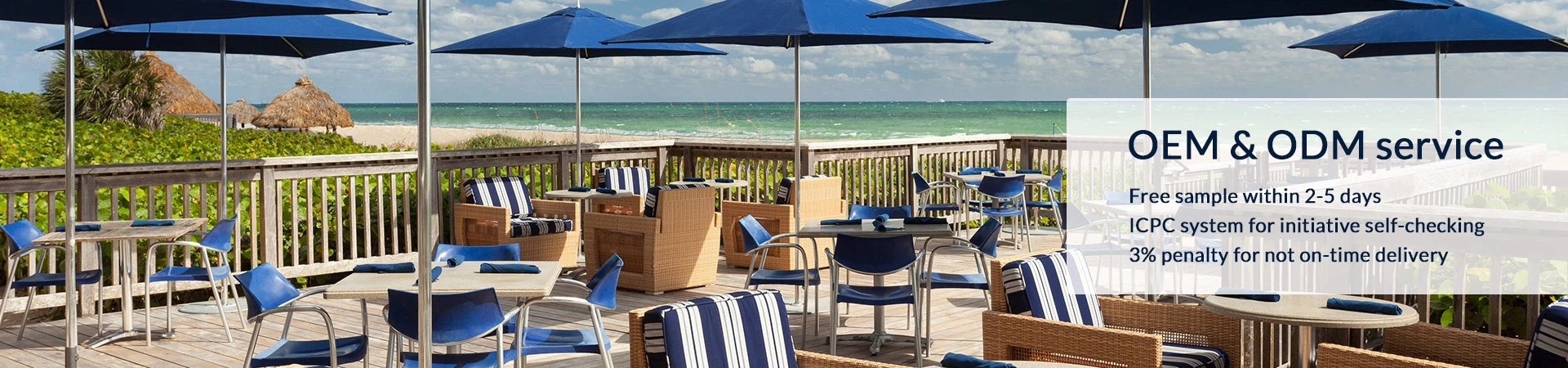
What is 100% solution dyed fabric?
What is 100% solution-dyed fabric?
100% solution-dyed fabric is a fabric that has been treated with a special dyeing process. There are two possible interpretations of "100%" here. One is that the fiber raw material is 100% of a certain component, such as 100% cotton, 100% polyester, etc., and these fibers are dyed by solution dyeing. Another interpretation is that the dye participates in the dyeing process completely in a solution state, so that the dye can fully penetrate into the fiber and achieve a uniform dyeing effect.

What are the dyeing processes for 100% solution-dyed fabric?
Dye preparation: The dye is completely dissolved in an appropriate solvent to form a uniform dye solution. Compared with traditional dyeing methods, solution dyeing requires the dye to have good solubility to ensure uniform dispersion in the solution. For example, for the dyeing of some synthetic fibers, special organic solvents may be used to dissolve the dye, which can better interact with the fiber.
Fiber pretreatment (if necessary): Depending on the type and characteristics of the fiber, the fiber may need to be pretreated. Taking cotton fiber as an example, it may be necessary to carry out pre-treatment processes such as refining and bleaching to remove impurities and natural pigments so that the fiber can better absorb the dye solution. The pre-treated fiber is in a state that is more conducive to dyeing.
Dyeing process: Put the prepared fiber into the dye solution, and control the dyeing conditions such as temperature, time, and pressure to allow the dye molecules to fully penetrate into the internal structure of the fiber. For example, under high temperature and high pressure conditions, the molecular movement in the dye solution intensifies, making it easier to enter the pores and molecular chains of the fiber. For polyester fibers, it is usually necessary to dye at a higher temperature (such as around 130°C) and a certain pressure to ensure that the dye can adhere and diffuse well.
Post-treatment: After dyeing is completed, the dyed fabric needs to be post-treated, including washing to remove unfixed dyes, softening and finishing, etc., to improve the color fastness and wearing performance of the fabric. The cleaning process should be thorough to prevent the unfixed dyes from fading during subsequent use, affecting the quality of the fabric.
What are the advantages of 100% solution-dyed fabrics?
High color fastness: Since the dye is fully penetrated into the fiber in the solution state, it is more firmly combined with the fiber. For example, solution-dyed polyester fabrics can remain bright and not fade easily after multiple washing, friction and light exposure. This is because the dye molecules can better embed into the molecular structure of the fiber during the solution dyeing process, forming relatively stable chemical bonds or physical adsorption.
Good color uniformity: The solution can evenly distribute the dye, so the color of the dyed fabric is relatively uniform. Whether it is a large area of solid color fabric or a fabric with complex patterns, the color consistency can be guaranteed. Just like the solution-dyed curtain fabric, the color is uniform from all angles, and there will be no local color depth.
Good environmental performance (in some cases): Some advanced solution dyeing technologies can reduce wastewater discharge during the dyeing process. Because the utilization rate of dyes is relatively high, less dyes will remain in the wastewater during the solution dyeing process compared to traditional dyeing processes. At the same time, some solution dyeing processes can use more environmentally friendly solvents and dyes, and the pollution to the environment is relatively small.
What are the disadvantages of 100% solution-dyed fabrics?
High cost: The solution dyeing process is relatively complex and requires special equipment to control the dyeing conditions, such as precise temperature and pressure control systems. In addition, the requirements for dyes are relatively high, which leads to higher production costs. For example, the high-quality dyes required for solution dyeing are usually more expensive than ordinary dyes, and the investment and maintenance costs of equipment are also high.
Limited applicable fibers: Not all fibers are suitable for solution dyeing. Some natural fibers may suffer structural damage in solution or not combine well with dyes. For example, wool fibers may shrink or lose strength in certain organic solvents, so the application of solution dyeing on wool fibers is subject to certain restrictions.
What are the application areas of 100% solution-dyed fabrics?
High-performance sportswear: Due to its high color fastness, solution-dyed fabrics are widely used in sportswear. For example, professional running clothes, fitness clothes, etc., these clothes are subject to a lot of sweat, friction and stretching during exercise, and solution-dyed fabrics can ensure the durability and stability of colors.
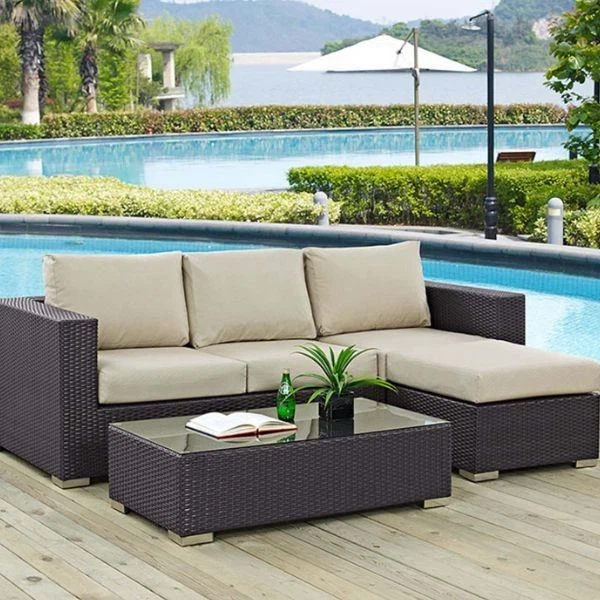
Outdoor textiles: such as tents, awnings and other outdoor products. These products need to be exposed to outdoor environments for a long time and withstand the test of natural factors such as sunlight and rain. The high color fastness and good durability of solution-dyed fabrics make them very suitable for such application scenarios, and they can maintain their appearance for a long time.
Automotive interior fabrics: Automotive interiors have high requirements for material quality and color stability. Solution-dyed fabrics can meet this demand. When used in seats, interior panels and other parts, they can not only provide beautiful appearance, but also ensure that they will not fade due to friction, light and other factors during long-term use.
As the top three outdoor fabric manufacturers in China, our main products are:
100% solution dyed fabrics(functional outdoor fabrics):
SDP fabrics
Olefin fabrics
Acrylic fabrics
Recycled fabrics
Spun polyester fabrics
Outdoor leisure products:
Pillows
Cushions
Sunshade sails
Furniture covers
