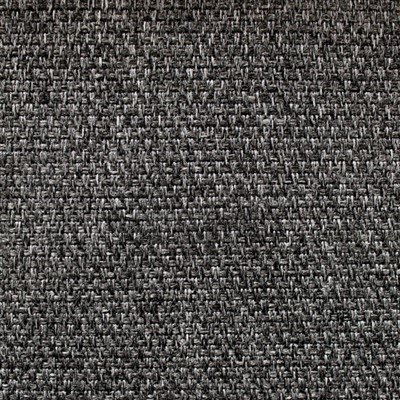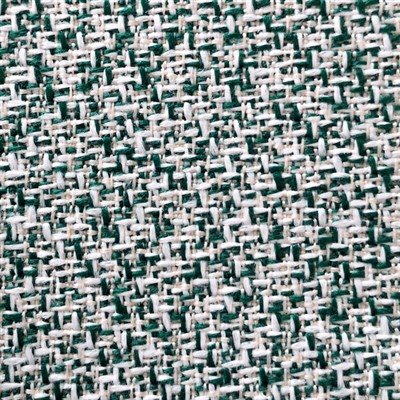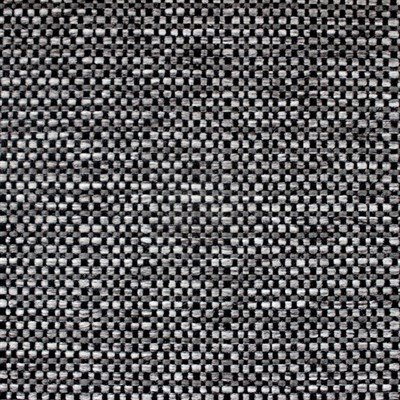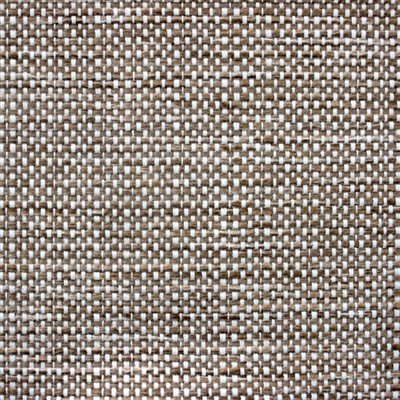
1. Outdoor sports fabrics:
Generally made of nylon, polyester and other chemical fiber fabrics after post-processing: waterproof, calendering, dry and wet coating, film lamination and other processes, with waterproof, windproof, moisture permeability, breathability, warmth, water pressure, UV resistance, etc. Functional fabric. How to realize these functions? Function refers to the multiple processes of post-processing to achieve the product performance of textile fabrics. Post-processing involves many links. How to make these outdoor fabrics must first start from the source, which is the textile printing and dyeing factory.
1. Textile
(1) Yarn: The quality of yarn determines the quality of the fabric, and the strength of the fabric determines the quality of fabric tearing. (The yarn count of chemical fiber fabric is represented by D, which means the number of deniers. It is often used internationally to indicate the fineness of chemical fibers and natural silk; tearing: the better the strength of the tested yarn, the better the abrasion resistance. The wild environment can better protect the human body).
(2) Textile: In the process of weaving yarn into grey fabric by textile machinery, adjust the machine to reduce the defects of grey fabric such as rungs, broken warp and weft, holes, and buckles.
2. Printing and dyeing
When dyeing in the printing and dyeing factory, the color must be within the acceptable range, and there should be no yin and yang colors, and the quality of the cloth surface is qualified. In addition, it is important to test the physical properties:
(1) Hand feeling: softness is required, and outdoor sports fabrics feel a bit hard. Currently, new products have been developed to improve the hand feeling, but outdoor leisure fabrics are required to be softer.
(2) Weft skew: American standard test ASTM D3882 requires that the effective width of dyed fabric is ≤3% for grade A products, and the yarn-dyed plaid and printed fabric require that the effective width of ≤2% for grade A products. (If the weft skew exceeds the range of the American standard, it will easily cause the clothing to be deformed and distorted after washing, and the lattice pattern of the plaid cloth is asymmetrical and unsightly.
(3) Density: American standard test ASTM D3775 requires the latitude and longitude density ≤±3% to be A grade.
(4) Weight: American standard test ASTM D3776, A grade product within ±3% is required.
(5) PH value: American standard test AATCC-81 requires 4.5-7.5 (the human body is weakly acidic, so the specified value is suitable for the human body. If it is alkaline, the skin will be irritated, dry and uncomfortable).
(6) Tear strength: American standard test ASTM D1424, according to the specific requirements of different types of fabrics (tearing is expressed in kilograms KG, pounds LB, Newton N to indicate the warp and weft test values of the fabric surface. The quality of tearing affects the durability of clothing Wear resistance).
(7) Elongation strength: American standard test ASTM D5034, according to the specific requirements of different types of fabrics (using kilograms KG, pounds LB, Newton N to indicate the longitudinal and latitude test values of the cloth surface, the strength of elongation affects the wear resistance of clothing Durability).
(8) Seam slip: ASTM D434 is tested by American Standard, according to the specific requirements of different types of fabrics (using MM to indicate the test value, the seam strength is good or bad, which affects the slippage of the garment splicing).
(9) Shrinkage rate: American standard test AATCC-135 requires latitude and longitude ≤±3% to be A-grade products (if the shrinkage rate exceeds 3%, it will affect the size of the garment after several times of washing).
(10) Color fastness to rubbing: American standard test AATCC-8 requirements: dry grinding grade 4, wet grinding grade 4. (This requires the degree of fading of clothing fabrics).
(11) Color fastness to perspiration: American standard test AATCC-15 requirements: color change level 4, staining level 4. (This requirement is to judge the level of discoloration and staining through cotton, nylon, polyester, wool, acrylic, acetate and other cloth tests).
(12) Sunlight fastness: American standard test AATCC-16E requirements: specific lamps are exposed to level 4 for 20 hours and level 3 for 40 hours (mainly resistant to sunlight, generally wear outdoor clothing to prevent sunlight on skiing, mountaineering and outdoor sports It is not easy to change color when irradiated. In case of distress, the eye-catching clothing color is convenient to wait for rescue.
(13) Machine wash color fastness: American standard test AATCC-61-2A requirements: color change level 4, staining level 4. (This requirement is to judge the level of discoloration and staining through cotton, nylon, polyester, wool, acrylic, acetate and other cloth tests).
(14) Water stain color fastness: American standard test AATCC-107 requirements: 4 levels of discoloration, 4 levels of staining. (This requirement is to judge the level of discoloration and staining through cotton, nylon, polyester, wool, acrylic, acetate and other cloth tests). Remarks: AATCC: (American Association of Textile Chemists and Colorists, AATCC for short) The American Association of Textile Chemists and Colorists Standard is an unofficial organization that identifies and analyzes the color fastness, physical properties and biological properties of textiles. ASTM: (American Society for Testing and Materials, referred to as ASTMM) American Society for Testing and Materials standard.